
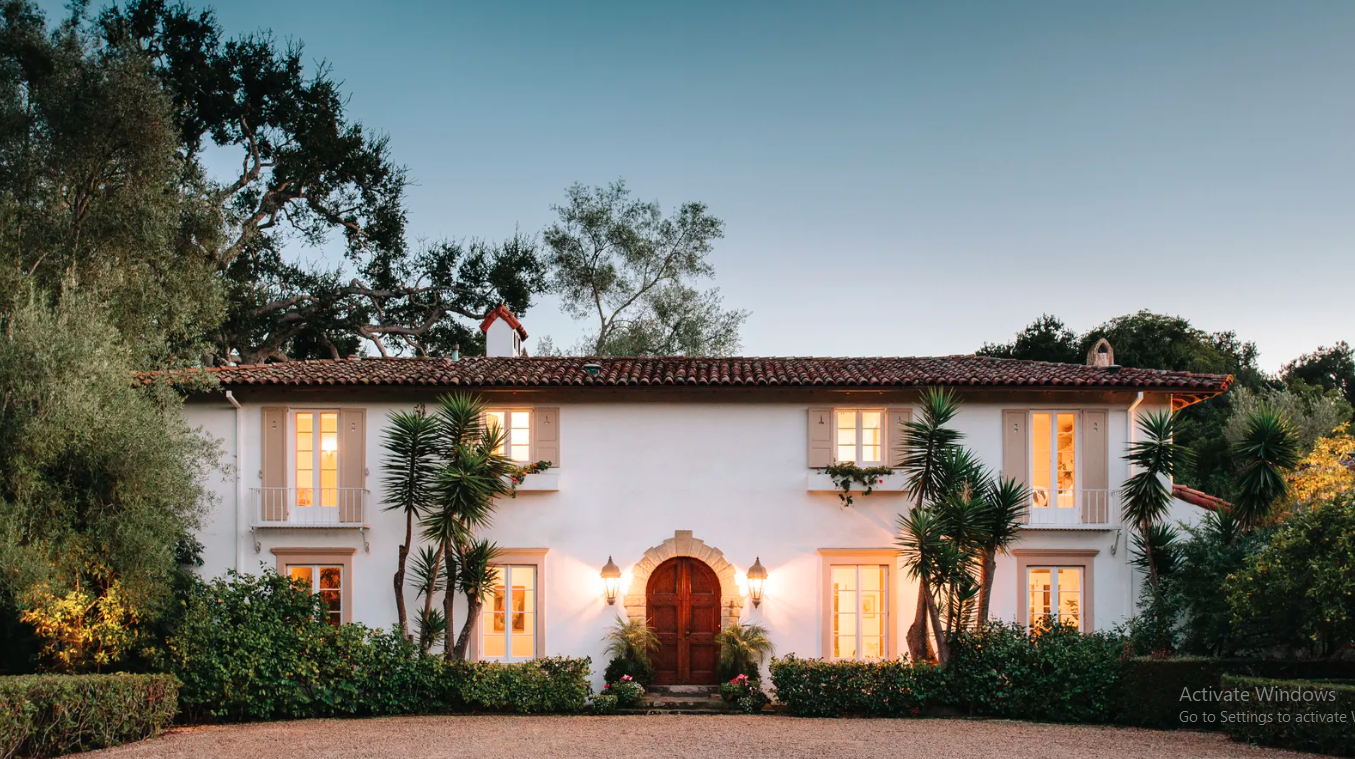
The Spanish Colonial house is one of the most iconic architectural styles, known for its warm character, rustic elegance, and strong connection to history. From sun-drenched courtyards to red-tiled roofs, this style continues to attract homeowners, designers, and real estate investors worldwide.
If you want to rank for the keyword “spanish colonial house”, this guide provides everything you need—history, features, design ideas, and SEO-rich insights to help drive organic traffic to your site.
What Is a Spanish Colonial House?
A Spanish Colonial house is a traditional architectural style that originated during the Spanish colonization period (16th–19th centuries). It reflects a blend of Spanish, Mediterranean, and indigenous influences, primarily found in regions like California, Florida, Mexico, and parts of South America.
These homes were designed to adapt to warm climates, focusing on natural cooling, thick walls, and shaded outdoor spaces.
Key Features of Spanish Colonial Houses
Understanding the defining characteristics of a Spanish Colonial house can help homeowners and buyers appreciate its unique appeal.
Red Clay Tile Roofs
One of the most recognizable elements, red or terracotta roof tiles provide both durability and a classic aesthetic.
Stucco Walls
Thick, white or earth-toned stucco walls help regulate indoor temperatures and create a clean, timeless look.
Arched Doorways and Windows
Rounded arches add elegance and soften the structure’s overall appearance. Wooden Beams (Exposed Ceilings)
Dark wooden beams, often seen in ceilings, give a rustic and authentic feel.
Courtyards
Central courtyards are a signature feature, offering privacy and a relaxing outdoor living space.
Wrought Iron Details
Railings, gates, and light fixtures made from wrought iron enhance the traditional charm.
History of Spanish Colonial Architecture
The Spanish Colonial style dates back to the era when Spanish settlers brought their architectural traditions to the Americas. Builders adapted their designs to local climates and materials, resulting in homes that were both practical and beautiful.
Over time, this style evolved into variations such as:Spanish
Revival
Mission Revival
Mediterranean Revival
Today, modern homes often incorporate Spanish Colonial elements while adding contemporary functionality.
Why Spanish Colonial Houses Are So Popular
The enduring popularity of Spanish Colonial houses comes from their perfect balance of beauty and practicality.
Climate-Friendly Design
Thick walls and small windows help keep interiors cool, making them ideal for hot climates.
Timeless Aesthetic
The combination of natural materials and earthy tones never goes out of style.
Indoor-Outdoor Living
Courtyards and patios encourage a seamless connection with nature.
Strong Resale Value
Homes with unique architectural character often attract higher market interest.
Interior Design of a Spanish Colonial House
The interior of a Spanish Colonial house reflects warmth, texture, and handcrafted beauty.
Color Palette
Earth tones (terracotta, beige, brown)
Warm whites
Deep blues and greens
Flooring
Terracotta tiles
Natural stone
Hardwood floors
Furniture Style
Heavy wooden furniture
Hand-carved details
Leather accents
Decorative Elements
Hand-painted tiles (Talavera style)
Iron chandeliers
Rustic pottery
Modern Spanish Colonial House Designs
While traditional elements remain important, modern Spanish Colonial homes incorporate contemporary upgrades.
Open Floor Plans
Combining living, dining, and kitchen areas for better flow.
Energy Efficiency
Modern insulation, solar panels, and energy-saving windows.
Smart Home Features
Technology integration without compromising style.
Minimalist Touches
Cleaner lines with fewer decorative elements for a modern twist.
Spanish Colonial House vs Mediterranean Style
Many people confuse Spanish Colonial houses with Mediterranean homes. While similar, they have distinct differences:
| Feature | Spanish Colonial | Mediterranean |
|---|---|---|
| Origin | Spanish colonies | Southern Europe |
| Design | Simpler, rustic | More ornate |
| Materials | Stucco, clay tiles | Stone, stucco |
| Layout | Courtyard-focused | Open and expansive |
Pros and Cons of Spanish Colonial Houses
Pros
Excellent for warm climates
Unique and timeless design
Strong durability
High aesthetic appeal
Cons
Maintenance of stucco and tiles
Limited natural light due to small windows
Can be costly to build authentically
Tips for Building or Buying a Spanish Colonial House
If you’re planning to invest in a Spanish Colonial house, keep these tips in mind:
Choose Authentic Materials
Use real wood, clay tiles, and stone for an authentic look.
Focus on Outdoor Spaces
Courtyards, patios, and gardens are essential.
Hire Experienced Designers
Work with architects familiar with Spanish Colonial architecture.
Blend Old and New
Combine traditional aesthetics with modern convenience.
SEO Tips to Rank for “Spanish Colonial House” 🔥
To drive traffic to your website, follow these SEO strategies:
Use the Keyword Naturally
Include “spanish colonial house” in:
Title
Headings (H2, H3)
First and last paragraphs
2. Optimize Images
Use image ALT tags like:
spanish colonial house exterior
spanish colonial courtyard design
spanish colonial interior decor
3. Add Internal Links
Link to related content such as:
home design ideas
architecture styles
interior design guides
4. Improve Page Speed
Fast-loading pages rank better and reduce bounce rate.
5. Write High-Quality Content
Google prioritizes helpful, informative, and well-structured articles.
Final Thoughts
A Spanish Colonial house is more than just a home—it’s a blend of history, culture, and timeless design. Whether you’re building, buying, or simply exploring architectural styles, this design offers unmatched charm and functionality.













Leave a Reply