
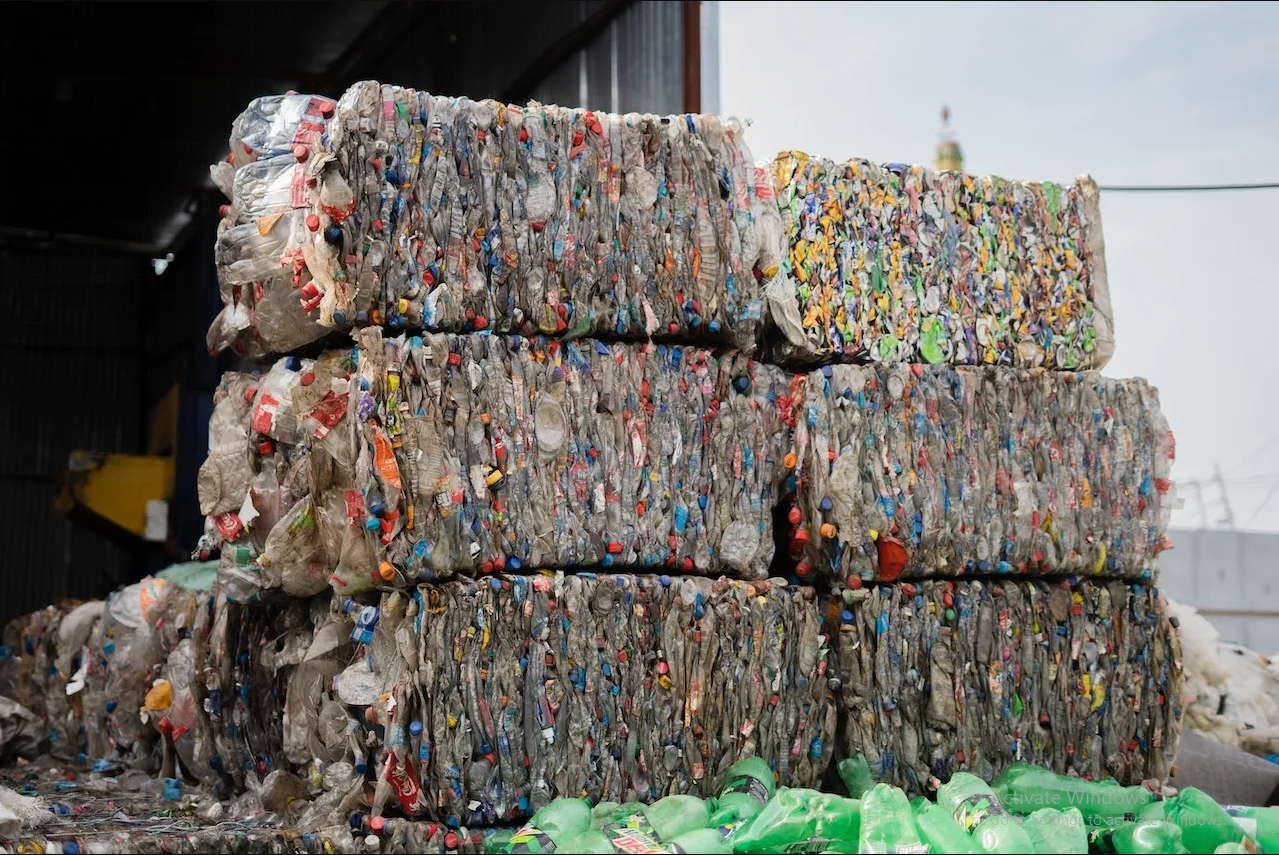
The keyword “recyclatanteil” is increasingly appearing in discussions about sustainable materials, recycling efficiency, and environmentally conscious manufacturing. If you want to attract traffic on this topic, understanding its meaning, applications, and significance is essential.
In this article, we’ll explore recyclatanteil, its definition, benefits, applications, and why it’s gaining attention in the eco-friendly and industrial sectors.
What Is Recyclatanteil?
The term recyclatanteil comes from German, where it literally means “proportion of recycled material” in a product. In simpler terms, it measures the share of a product that is made from recycled materials.
For example, if a plastic bottle has a recyclatanteil of 50%, it means half of its material comes from previously recycled plastic. This measurement is crucial for:
Environmental reporting
Manufacturing standards
Consumer awareness
Why Recyclatanteil Matters
Recyclatanteil is a key metric in sustainable production and circular economy initiatives. Here’s why it matters:
1. Reducing Waste
Higher recyclatanteil reduces demand for virgin materials, helping to minimize environmental pollution.
2. Lower Carbon Footprint
Producing goods from recycled materials consumes less energy than using raw resources, reducing CO2 emissions.
3. Promoting Circular Economy
Measuring recyclatanteil encourages manufacturers to design products that are easier to recycle and reuse.
4. Meeting Regulatory Requirements
Some countries have strict regulations for recycled content in products. Recyclatanteil ensures compliance and certification.
How Recyclatanteil Is Calculated
The recyclatanteil of a product is usually expressed as a percentage:
Recyclatanteil (%)=Weight of Recycled MaterialTotal Weight of Product×100\text{Recyclatanteil (\%)} = \frac{\text{Weight of Recycled Material}}{\text{Total Weight of Product}} \times 100
For instance:
A cardboard box with 300 grams total weight, including 150 grams of recycled paper, has a recyclatanteil of 50%.
Applications of Recyclatanteil
1. Plastic Products
Many manufacturers indicate the recyclatanteil on packaging to show environmental responsibility. Examples include:
Plastic bottles
Food containers
Industrial packaging
2. Paper & Cardboard
Paper and cardboard industries often label products based on their recyclatanteil to appeal to eco-conscious consumers.
3. Construction Materials
Products like insulation, bricks, and flooring materials increasingly report their recyclatanteil to meet green building certifications.
4. Consumer Goods
Clothing, furniture, and electronics are starting to highlight recyclatanteil to demonstrate sustainable practices.
Benefits of High Recyclatanteil
Environmental Protection – Reduces resource extraction and landfill use.
Cost Efficiency – Using recycled materials can reduce production costs.
Consumer Trust – Increasingly, people prefer brands with visible environmental initiatives.
Compliance & Certification – Helps in meeting standards like ISO 14021 and EU regulations.
Challenges in Managing Recyclatanteil
While high recyclatanteil is desirable, there are challenges:
Material Quality – Recycled materials may have lower performance than virgin materials.
Supply Constraints – Not all recycled materials are readily available in sufficient quantities.
Certification Complexity – Accurately calculating recyclatanteil requires strict auditing.Consumer Perception – Some consumers may still prefer products with virgin material.
Strategies to Increase Recyclatanteil
Manufacturers can adopt several strategies to raise the recyclatanteil of their products:
Invest in Recycling Technology – Advanced sorting and processing improve quality.
Redesign Products – Make products easier to recycle at the end of life.
Use Mixed Recycled Materials – Blend recycled content to maintain performance and durability.
Collaborate With Suppliers – Source higher-quality recycled inputs.
Recyclatanteil and the Future of Sustainable Products
With global awareness of climate change and resource scarcity, recyclatanteil is becoming a critical metric for companies aiming to be environmentally responsible. Governments, NGOs, and industry leaders are increasingly promoting products with higher recyclatanteil to support a circular economy.
SEO Tips for Recyclatanteil Content
To attract traffic with this keyword:
Use Keyword Variationsrecyclatanteil definitionrecyclatanteil in plastic productsrecyclatanteil percentageOptimize On-Page SEO
Include the keyword in the title, headings, and first paragraph.
Use bullet points and tables for better readability.
Add VisualsDiagrams showing calculation of recyclatanteilInfographics comparing products withdifferent recyclatanteil percentagesPhotos of recycled products
Build Supporting Content“10 Products With the Highest Recyclatanteil”Why Recyclatanteil Matters for Sustainability”“How to Increase Recyclatanteil in Manufacturing”
Conclusion
Recyclatanteil is more than just a percentage—it represents a commitment to sustainability, environmental protection, and responsible manufacturing. Highlighting recyclatanteil in your products can boost brand reputation, meet regulatory standards, and contribute to a greener future.















Leave a Reply