
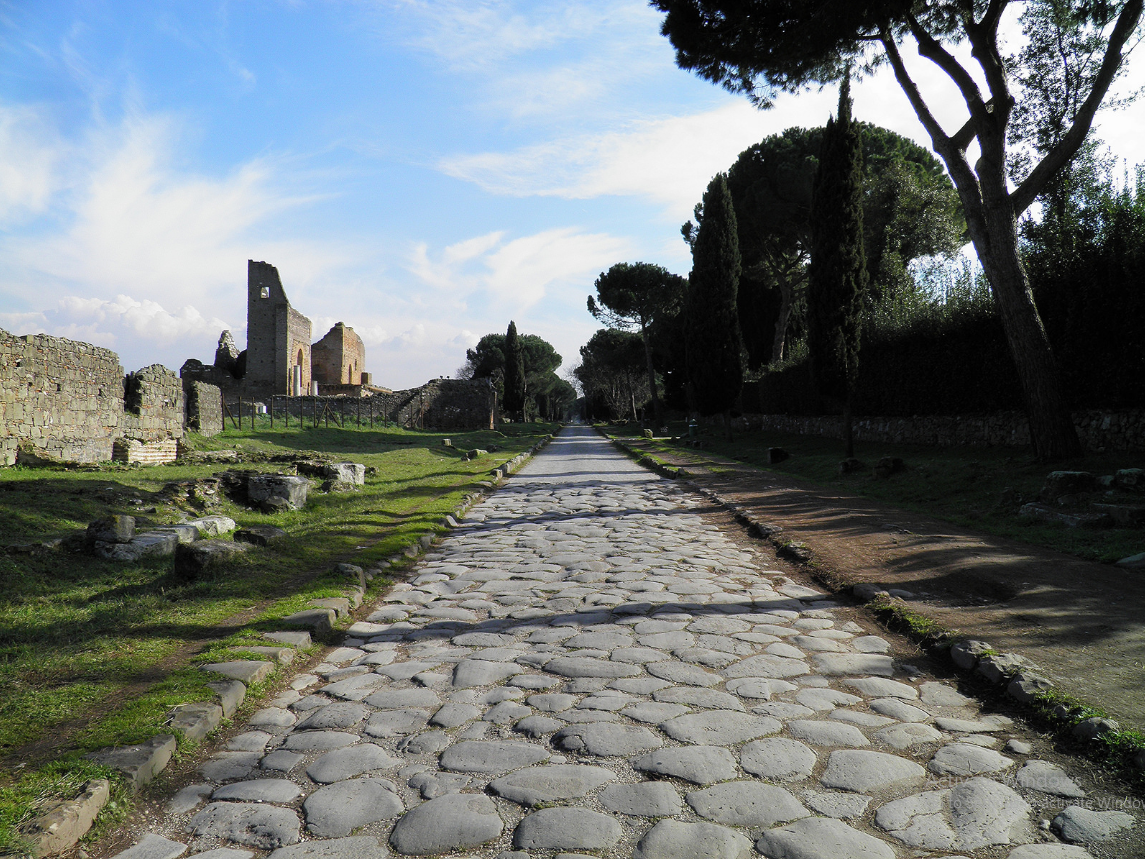
The phrase cesta roman evokes images of ancient routes that once connected distant lands, empowered mighty armies, fueled commerce, and transformed the course of history. Though it may look like a simple combination of words, cesta roman represents one of the most remarkable achievements of ancient engineering and civilization—the Roman road system—and continues to influence travel, culture, and infrastructure today.
In this article, we will explore the meaning, origin, historical significance, engineering brilliance, cultural impact, and modern legacy of cesta roman, and explain how understanding this concept can help your site attract meaningful search traffic.
What Does “Cesta Roman” Mean?
At its core, the phrase cesta roman combines two elements:
Cesta – In many Central and Eastern European languages, especially Slavic languages like Slovene and Croatian, cesta means “road.”
Roman – Refers to ancient Rome, the powerful civilization that dominated much of Europe, North Africa, and parts of Asia for centuries. Together, the phrase literally translates to “Roman road.”
However, cesta roman is more than a literal translation. It symbolizes an extensive network of engineered roads built by the Romans that connected cities, forts, ports, and regions, forming the backbone of the ancient empire’s military strength, economic integration, and cultural unity.
The Engineering Genius Behind Roman Roads
One of the key reasons the cesta roman system stood apart from other ancient roadways was its extraordinary engineering precision and durability.
Layered Construction Techniques
Roman engineers didn’t simply carve paths into the earth—they built roads layer by layer to ensure stability and longevity:
Foundation (statumen): Large stones provided a stable base.
Rudus: A compacted mix of gravel, sand, and lime created strength.
Nucleus: A finer layer provided smooth leveling.
Surface (summum dorsum): Tightly fitted stone slabs created a durable top surface capable of enduring heavy traffic and adverse weather.
This sophisticated, multi‑layered approach is why many sections of these ancient roads still exist today—some intact after over 2,000 years.
Surveying and Design
Roman surveyors used tools like the groma and chorobates to ensure straight alignments and accurate gradients. Roads often cut directly through hillsides or crossed lowlands on causeways, minimizing travel distance and maximizing connectivity across regions.
Why Cesta Roman Was So Important
The cesta roman system was not just about infrastructure. It was the lifeblood of the Roman Empire:
Military Logistics and Control
Roman generals relied on these roads to move legions quickly from one frontier to another. Roads enabled fast deployment of troops, rapid communication, and secure supply chains—offering Rome a decisive strategic advantage.
Economic Connectivity
Trade flourished because merchants could transport goods more reliably. From olive oil from Spain to grain from Egypt, and tin from Britain, the road network fostered economic integration, lowered costs, and increased prosperity.
Cultural Exchange
As travelers moved across the empire, they carried ideas, languages, religions, and customs. This cultural exchange spread Roman influence throughout Europe, shaping regional identities and propelling Latin language evolution.
Famous Examples of Cesta Roman
Several Roman roads became legendary in antiquity and remain important historical landmarks:
Via Appia (Appian Way): Known as the “Queen of Roads,” it connected Rome to southern Italy and was vital for military and trade movements.
Via Augusta: One of the longest Roman routes, spanning the Iberian Peninsula.
Roads across the Balkans, France, Germany, and beyond demonstrate the expansive reach and interconnectivity of the Roman infrastructure network.
Cesta Roman and Medieval Heritage
In some locations, the influence of Roman roads extends into later historical structures. For example, the Cesta Tower—one of the three iconic towers overlooking the city of San Marino—was built on remnants of Roman fortifications.
Located atop Monte Titano, this medieval fortress later became a museum of ancient arms but rests upon the strategic foundations originally established by Roman military planning.
Modern Legacy of Cesta Roman
The legacy of cesta roman is not limited to stone ruins; it lives on in modern infrastructure and cultural identity:
Influence on Modern Roads
Many modern highways in Europe follow the routes first laid by Roman engineers. These ancient alignments influenced urban street grids, highway planning, and city evolution around major thoroughfares.
Heritage Tourism
Today, travelers walk or cycle along preserved Roman roads, exploring historical landscapes. These historical trails have become popular tourist attractions, blending outdoor adventure with ancient history exploration.
Cultural Symbolism
In literature, education, and historical discourse, cesta roman often symbolizes human connectivity, resilience, discipline, and strategic planning that transcends centuries.
How to Use “Cesta Roman” to Drive Traffic to Your Site
If your goal is to attract organic traffic using the keyword cesta roman, here are some SEO strategies:
1. Craft an Optimized Title and URL
Use the keyword in your title and URL slug for better search visibility. Examples include:
Cesta Roman: History, Legacy & Travel Guide”
Explore Cesta Roman: Ancient Roads That Shaped Europe”
2. Create Thematic Sections
Structure your content with headings like:
What Is Cesta Roman?
Engineering & Construction Methods
Famous Roman Roads to Visit
Cultural Legacy and Modern Influence
Search engines and readers both appreciate well‑organized, skimmable content.
3. Add Visual and Interactive Elements
Include maps, historical photos, timelines, and infographics showing Roman road routes.
4. Link to Authoritative Sources
Incorporate internal and external links to reputable historical sites and resources to improve relevance and trust. External links to academic or heritage pages can boost your SEO.
Conclusion
Cesta roman is much more than a phrase—it is a concept deeply rooted in history, engineering excellence, cultural exchange, and modern identity. From the meticulously engineered roads that formed the Roman Empire’s backbone to the medieval towers built atop ancient fortifications, cesta roman bridges past and present.
For creators, bloggers, travelers, and SEO strategists alike, understanding and writing about cesta roman offers a rich opportunity to educate audiences, tell compelling stories, and attract targeted organic traffic. Whether your readers are history buffs, heritage travelers, or curious minds exploring cultural infrastructure, the story of cesta roman offers timeless insights into how we connect, worship, trade, and travel.













Leave a Reply