The term “Decreto Supremo 160” is widely searched online, especially by people looking to understand regulations related to fuel management, legal compliance, and safety standards. In many countries, a Decreto Supremo (Supreme Decree) refers to a government regulation issued by executive authorities to establish official rules or policies.
Decreto Supremo 160 is particularly known for regulating fuel storage, distribution, and safety standards, especially concerning liquid fuels such as gasoline and diesel. This regulation plays a crucial role in ensuring safety, environmental protection, and proper handling of combustible fuels.
In this article, we will explain what Decreto Supremo 160 is, its purpose, the key regulations it establishes, and why it is important for businesses and industries that handle fuel.
What Is Decreto Supremo 160?
Decreto Supremo 160 is a regulatory framework designed to control and standardize the storage, handling, transportation, and distribution of liquid fuels.
The decree was introduced by government authorities to ensure that companies and organizations dealing with fuel follow strict safety, operational, and environmental guidelines.
These regulations apply to a wide range of sectors, including:
Fuel stations
Fuel storage facilities
Industrial plants
Transportation companies
Fuel distribution companies
By implementing these standards, the decree helps reduce risks associated with fuel handling, such as fires, explosions, environmental contamination, and workplace accidents.
Purpose of Decreto Supremo 160
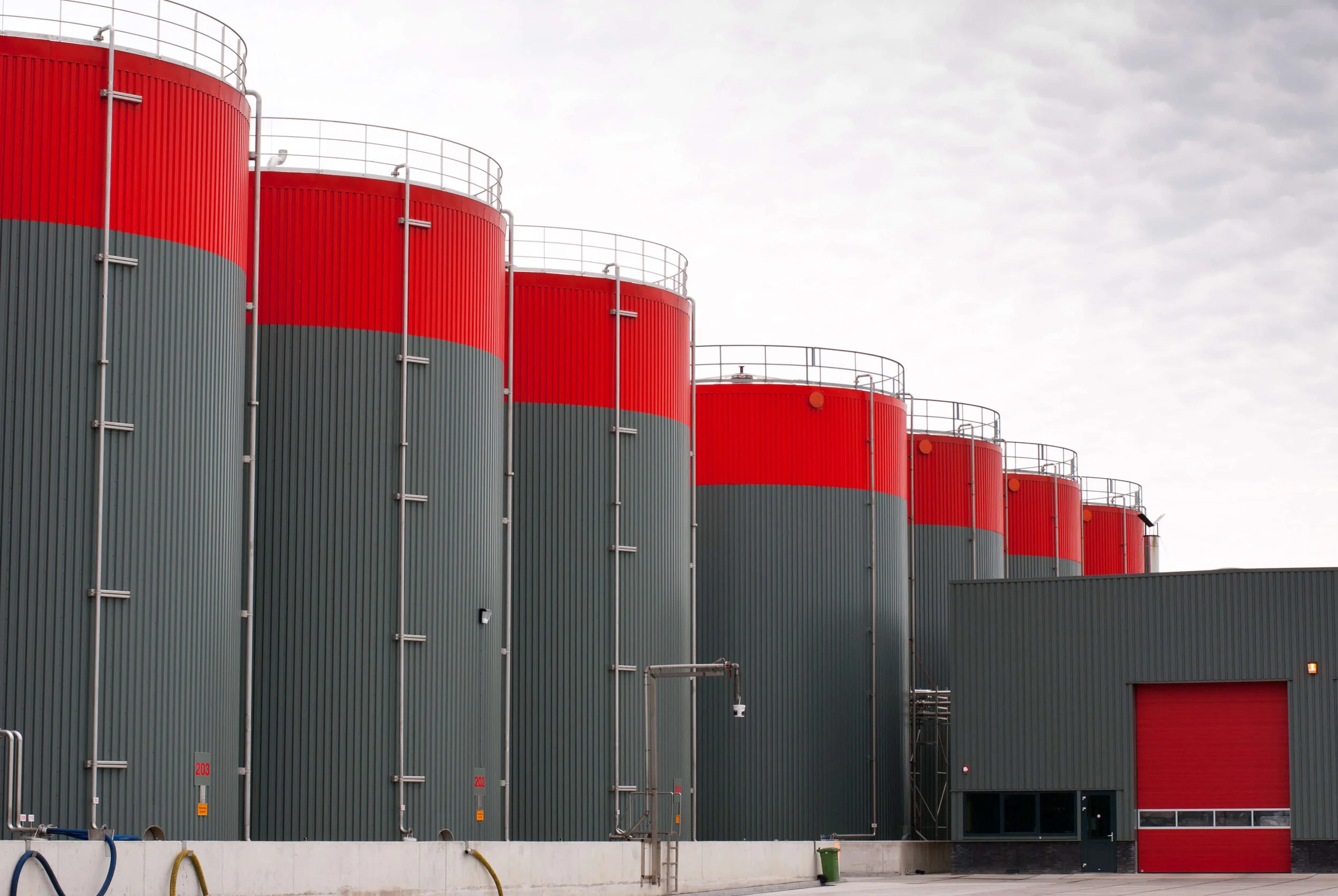
The primary goal of Decreto Supremo 160 is to create a safe and controlled environment for the management of liquid fuels.
Handling fuels like gasoline and diesel involves significant risks because they are highly flammable and potentially hazardous if not managed correctly.
The decree therefore focuses on several important objectives:
1. Ensuring Public Safety
Fuel-related accidents can cause severe damage to property and human life. The decree introduces strict safety standards to minimize these risks.
2. Protecting the Environment
Improper fuel storage or leakage can contaminate soil, water sources, and ecosystems. Decreto Supremo 160 requires proper infrastructure and monitoring systems to prevent environmental damage.
3. Standardizing Fuel Operations
The decree ensures that all fuel-related operations follow consistent procedures and guidelines.
4. Improving Industrial Compliance
Companies that handle fuel must comply with legal requirements and inspections to operate safely.
Key Regulations Under Decreto Supremo 160
Decreto Supremo 160 includes a variety of technical and operational regulations that organizations must follow.
Below are some of the most important rules included in the decree.
1. Fuel Storage Requirements
The decree establishes strict standards for fuel storage facilities.
These requirements include:
Approved fuel storage tanks
Proper ventilation systems
Spill prevention measures
Safety distance from residential areas
Fire protection systems
Fuel tanks must also meet engineering and design standards to prevent leaks or explosions.
2. Safety Equipment and Emergency Systems
Facilities handling fuel must install safety equipment to respond quickly to emergencies.
Examples include:
Fire extinguishing systems
Gas detection systemsEmergency shutdown mechanisms
Spill containment systems
These safety features help reduce the impact of accidents.
3. Inspection and Maintenance
Regular inspection is a critical part of compliance.
Companies must conduct:
Routine maintenance of fuel tanks
Safety system checks
Leak detection monitoring
Infrastructure inspections
Authorities may also perform government inspections to ensure facilities follow regulations.
4. Employee Training
Workers who handle fuel must be properly trained in safety procedures.
Training typically includes:
Fire prevention and response
Safe fuel handling procedures
Emergency evacuation protocols
Environmental protection practices
This ensures employees can respond effectively to potential hazards.
5. Fuel Transportation Standards
The decree also regulates how fuel is transported.
Transport companies must follow rules such as:
Using certified fuel transport vehicles
Proper labeling of hazardous materials
Safety documentation
Driver training and certification
These regulations help prevent accidents during fuel transport.
Industries Affected by Decreto Supremo 160
A wide range of industries must comply with Decreto Supremo 160 because they deal with liquid fuels.
Some of the most affected sectors include:
Fuel Stations
Gas stations must follow strict guidelines for fuel tank installation, pump systems, and safety monitoring.
Energy and Oil Companies
Large fuel storage terminals and refineries must comply with detailed technical regulations.
Transportation and Logistics
Companies transporting fuel must follow safety standards for vehicles and drivers.
Industrial Facilities
Factories that use fuel for production processes must meet storage and safety requirements.
Importance of Compliance With Decreto Supremo 160
Compliance with Decreto Supremo 160 is not only a legal requirement but also a crucial safety practice.
Organizations that follow these regulations benefit in several ways.
Improved Workplace Safety
Strict standards help protect employees and nearby communities from accidents.
Environmental Protection
Proper fuel management prevents contamination of soil and water.
Legal Protection
Companies that follow regulations reduce the risk of legal penalties or operational shutdowns.
Operational Efficiency
Well-maintained infrastructure and safety systems improve overall operational performance.
Penalties for Non-Compliance
Companies that fail to comply with Decreto Supremo 160 may face serious consequences.
Possible penalties include:
Financial fines
Suspension of operating licenses
Facility shutdowns
Legal action from authorities
Because of these risks, organizations must ensure that their fuel management systems meet all regulatory requirements.
The Role of Government Inspections
Government agencies responsible for energy, environmental protection, or industrial safety typically monitor compliance with the decree.
Inspectors may review:
Fuel storage infrastructure
Safety equipment installation
operational documentation
employee training records
Regular audits ensure companies maintain safe and legal operations.
Why People Search for “Decreto Supremo 160”
The keyword “Decreto Supremo 160” receives significant search traffic because it is relevant to professionals working in industries such as:
engineering
safety management
environmental compliance
fuel distribution
energy sector operations
Students, researchers, and businesses often search this term to understand regulatory requirements and compliance procedures.
SEO Tips to Rank for the Keyword “Decreto Supremo 160”
If you want your website to rank for this keyword and attract organic traffic, follow these SEO best practices.
Use Keyword Variations
Include related search phrases such as:
decreto supremo 160 explained
what is decreto supremo 160
decreto supremo 160 fuel regulation
decreto supremo 160 safety requirements
Add Structured Headings
Use H2 and H3 headings to improve readability and search engine indexing.
Include Helpful Content
Detailed explanations and examples help users stay longer on your page, improving SEO performance.
Add Internal Links
Link your article to related content about fuel safety, industrial regulations, or environmental compliance.
Conclusion
Decreto Supremo 160 is a crucial regulation governing the safe storage, handling, transportation, and distribution of liquid fuels. Its primary objective is to protect public safety, ensure environmental protection, and maintain standardized fuel management practices.
The decree establishes strict guidelines for fuel facilities, transportation companies, and industrial operators to minimize risks associated with combustible fuels.
For businesses operating in the energy or fuel sectors, understanding and complying with Decreto Supremo 160 is essential for safe operations, legal compliance, and long-term sustainability.
As global industries continue to prioritize safety and environmental responsibility, regulations like Decreto Supremo 160 play a vital role in ensuring a secure and well-regulated fuel management system.